See the line. Understand the finding.
From a pre-purchase scope to a recurring blockage: choose the right inspection, keep the footage and make the next decision with context.
A sewer inspection should leave you with more than a verdict. Know where the camera entered, what it reached, what was visible and what remained uncertain. Use the illustrated examples and scope builder to ask for footage, written findings and a clear next step.
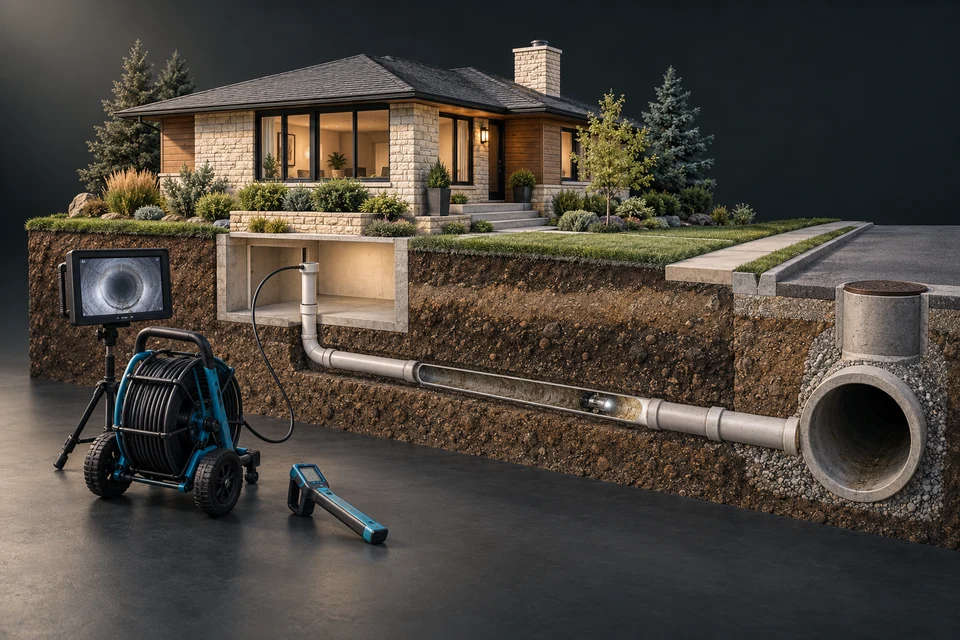
Move from the camera view to the written finding
Choose a visible observation. The illustration separates what the camera might show from the evidence you still need.
What the model shows, in words
Illustration, not a survey
The geometry is illustrative and not to scale. It does not measure your property, locate a pipe or determine a repair method.
Make the next step actionable
Use the scope builder to organize what is known, then carry the outline into a private quote request.
What do you need the inspection to answer?
Pick the closest match. Each path goes to the guide that answers it in full.
Build your inspection scope
Choose the reason for the survey, type of property, available entry point and records already held. The tool produces an inspection outline that you can take into the quote form and edit. Exploring the choices does not contact the team or diagnose the pipe.
Build your inspection scope
Read these first
Before you buy: what a sewer scope needs to answer
Plan a pre-purchase sewer camera inspection with access, inspected extent, original footage, written findings and limits before your purchase deadline.
CornerstoneA sewer report you can actually use
Check sewer inspection reports for coverage, distance references, recording access, written findings, limitations and evidence behind repair recommendations.
CornerstoneRepeat blockages: inspect the pattern, then the pipe
Gather blockage history, cleaning records, affected fixtures and recorded camera findings before choosing a lasting repair for recurring sewer problems.
CornerstoneGet a useful second opinion on sewer footage
Prepare the original sewer video, report, relevant distance references and repair scope for an evidence-focused inspection second opinion.
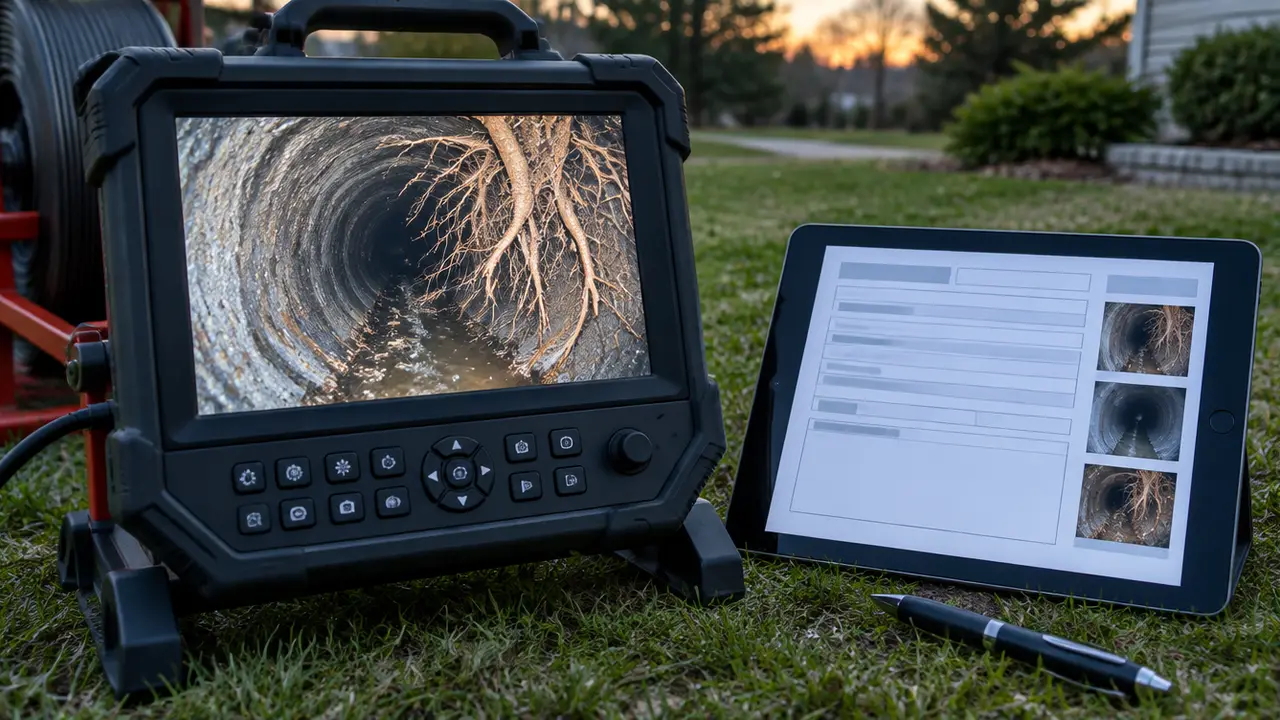
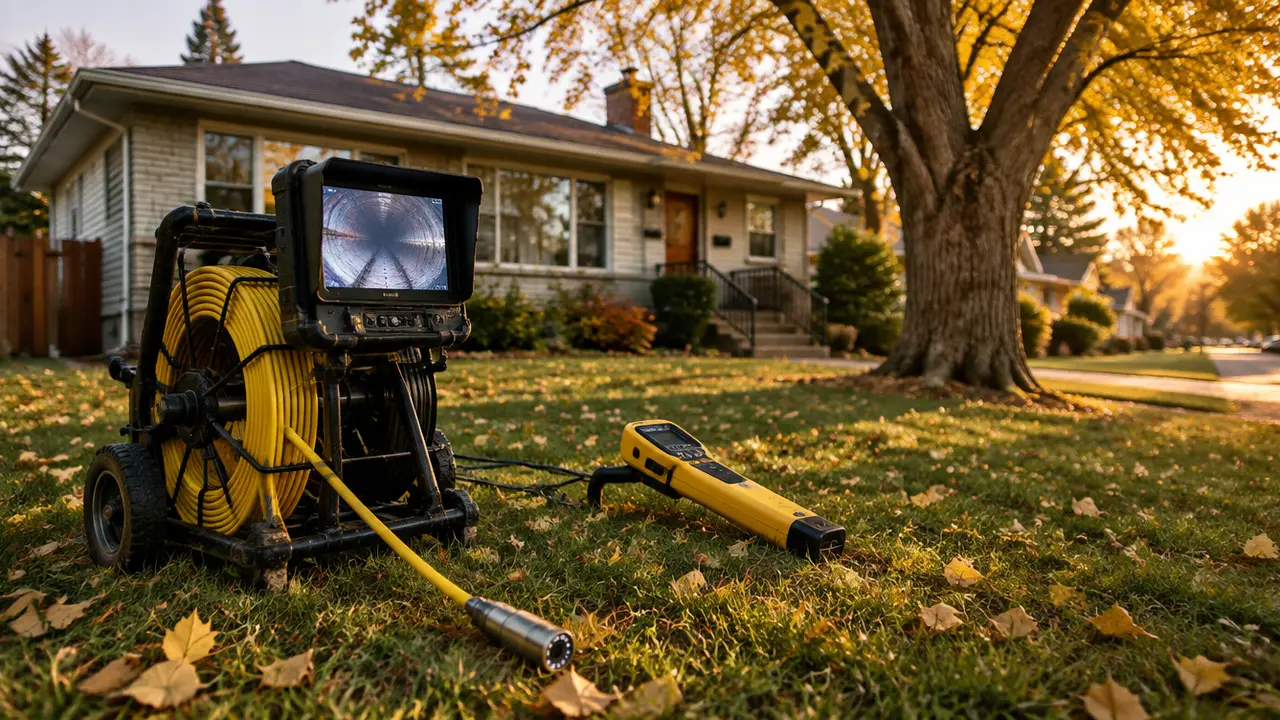
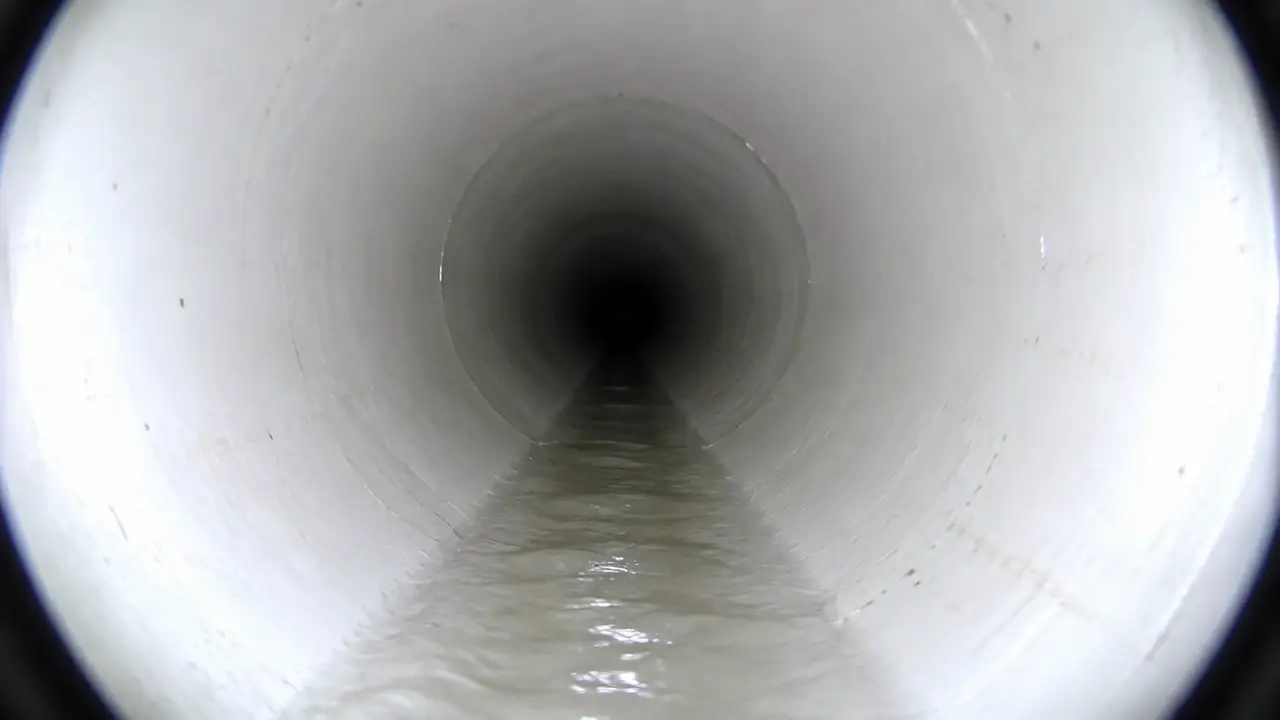
What it looks like down there
Illustrations of what this work involves and what a camera or a trained eye picks up. Every guide on SewerInspectors.ca carries more like these.
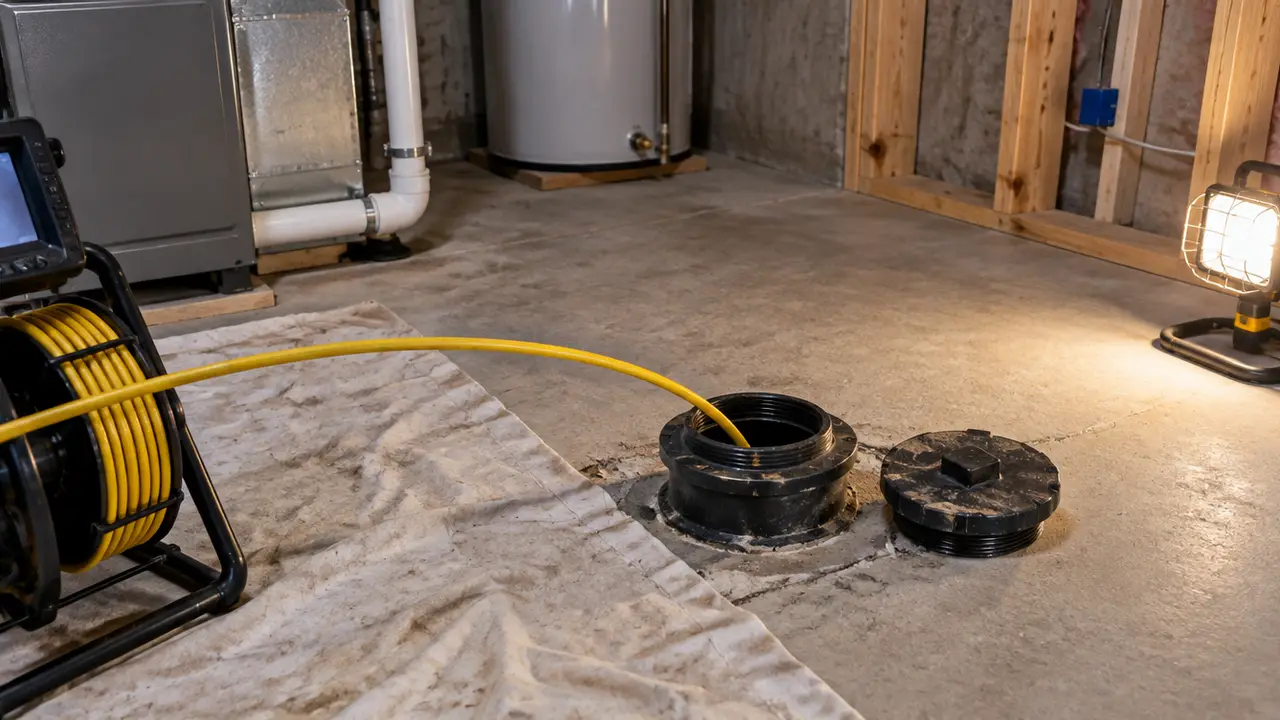
01 /Start with the evidence you already hold
Gather the original footage, written report and the question behind the appointment. Buying a home, reviewing a repeat blockage and checking a completed repair each require a different inspection scope. The same camera can produce an unhelpful record when the deliverables are never agreed.
Choose a field guide for the inspection question, then use its evidence checklist in the booking discussion. Original recordings belong in the property record; these illustrated cutaways explain the mechanism without pretending to be a view of your own line.
02 /Turn the question into a request
The inspection builder prepares the appointment outline before asking for personal information. Review the reason, known access and records, then continue to the form where the scope stays editable. Selecting an example is not a lead submission.
Rising sewage or an unsafe area needs prompt assistance. Keep away from contaminated water and affected electrical equipment, and avoid adding more wastewater. For Calgary incidents, 311 helps assess possible municipal involvement; a scheduled camera request is a different process.
Municipal systems and rural private systems require different coverage. Give the actual location and any treatment-system information in the private request. The next step is to clarify the scope and provider availability, without an assumed arrival time.
03 /What question should your sewer inspector answer?
The reason for the inspection should determine the booking brief. A purchaser needs a record they can review before a decision deadline; an owner with repeated blockages needs the service history connected to observations; a person reviewing a completed repair needs the relevant repaired section documented. State that purpose before discussing a camera appointment. Asking only for a “sewer check” leaves the inspector to guess which decision the record needs to support.
For a purchase, arrange access through the appropriate parties and ask when both the recording and written summary will be available. Do not assume an underground scope is included in a general home inspection. Confirm the particular service and reporting requirements separately. If access is uncertain, put that uncertainty into the enquiry instead of marking a cleanout as available. The pre-purchase guide explains how to treat a survey that cannot reach its intended end point.
For an existing property, collect the date and location of each incident together with any cleaning invoice and earlier footage. Distinguish symptoms reported by occupants from findings recorded by a provider. “The laundry backed up twice” is useful history; it is not yet evidence that a particular buried joint caused both incidents. The next survey can be designed around the missing connection between the history and the visible record, rather than starting with an assumed repair method.
04 /How do you judge the evidence without becoming a pipe expert?
Judge whether the report explains its coverage before trying to interpret a close-up image yourself. The useful first questions are where the camera entered, which direction it travelled, where it stopped and what prevented a complete view. A short clip of an interesting defect can be informative, but it should remain connected to the full route record. Ask the inspector to identify the interval in the original recording so a second reviewer can examine the same observation.
Keep three items distinct: the observation, the interpretation and the proposed next step. An observation might describe roots or water at a recorded distance. An interpretation explains what the reviewer thinks that observation means in context. A next step might be cleaning, locating, another view or a repair assessment. If those items are presented as one unexplained sentence, ask for the evidence that links them. A useful report can say a question remains unresolved.
Camera travel distance is not a legal ownership determination or a complete surface excavation plan. Ask whether a finding was separately located and what the locating record includes. Likewise, an apparently unobstructed image does not predict the exact remaining life of the pipe. The report checklist helps you request clear deliverables. The illustrated scenes on this portal are learning aids; your own decision should use the actual inspection record and its stated limitations.
05 /What happens after the inspection or footage review?
The next step should answer the remaining question, rather than automatically escalate to a larger repair. If the record is complete and the finding is clearly described, a contractor can discuss practical options against that evidence. If debris hides the area or the camera stopped early, a further survey may be needed first. Have the reviewer explain what a proposed extra task is expected to reveal and what happens if it still does not produce a usable view.
When seeking a second opinion, send the original recording, written summary and the specific recommendation you want reviewed. Explain whether the property has been cleaned, repaired or affected by another incident since that recording was made. Older footage can still show a past observation, but it may not answer a question about the current condition. A reviewer should identify the difference rather than silently treating an earlier record as a fresh survey.
Use the inspection scope builder to organize the reason, access and records before supplying contact information. The outline remains editable in the quote form, and the form requires consent before it sends a request. Ask HAUSE can help you understand a term or prepare a question; its answer is automated guidance, not an inspection or a booked appointment. For an active Calgary backup, contact 311 about possible City infrastructure involvement and keep clear of the affected area. A planning enquiry is not emergency dispatch.
Keep the inspection objective beside the file index when sharing records with another adviser. A reviewer should know whether you are assessing a purchase, investigating a recurring symptom or checking completed work. Identify any decision deadline and the exact unanswered question. This helps the next provider explain whether the records already held are useful or which additional evidence would materially change the decision.
Every guide on SewerInspectors.ca
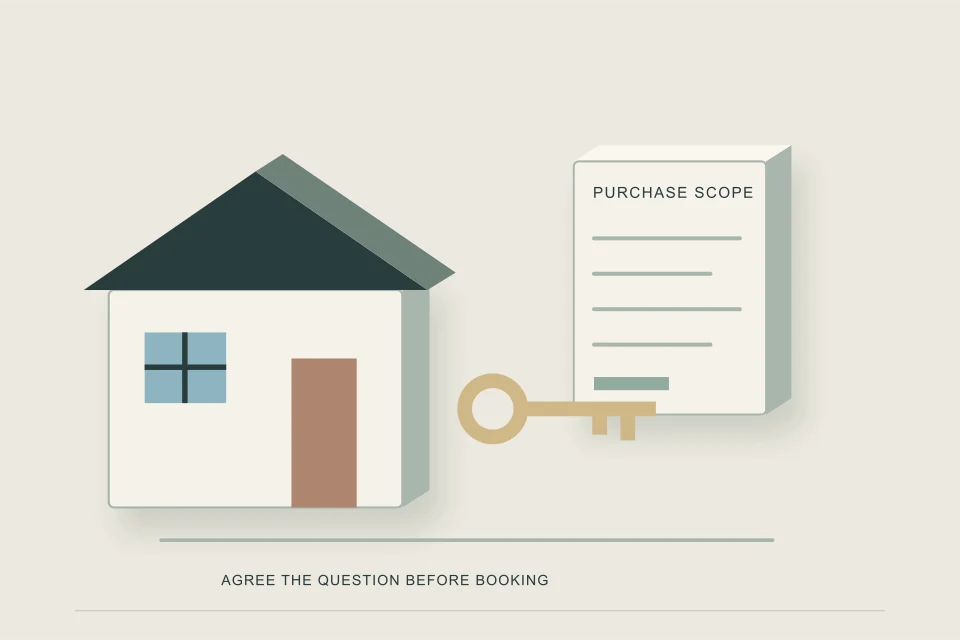
Before you buy: what a sewer scope needs to answer
Plan a pre-purchase sewer camera inspection with access, inspected extent, original footage, written findings and limits before your purchase deadline.
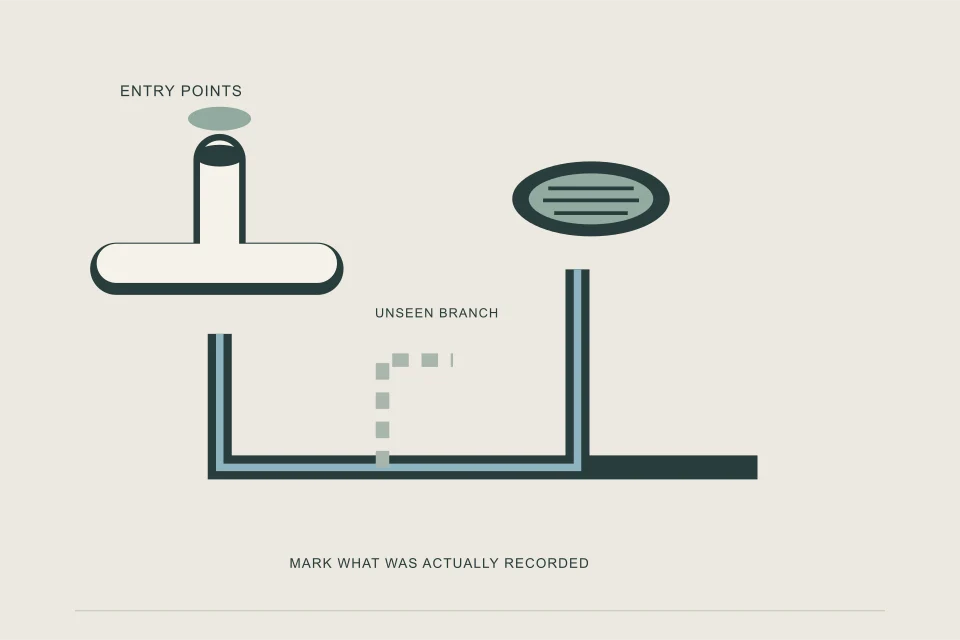
Sewer camera access: what your scope can actually cover
Understand how camera entry, route direction, branches and obstructions affect sewer scope coverage and the limits your inspection report should record.
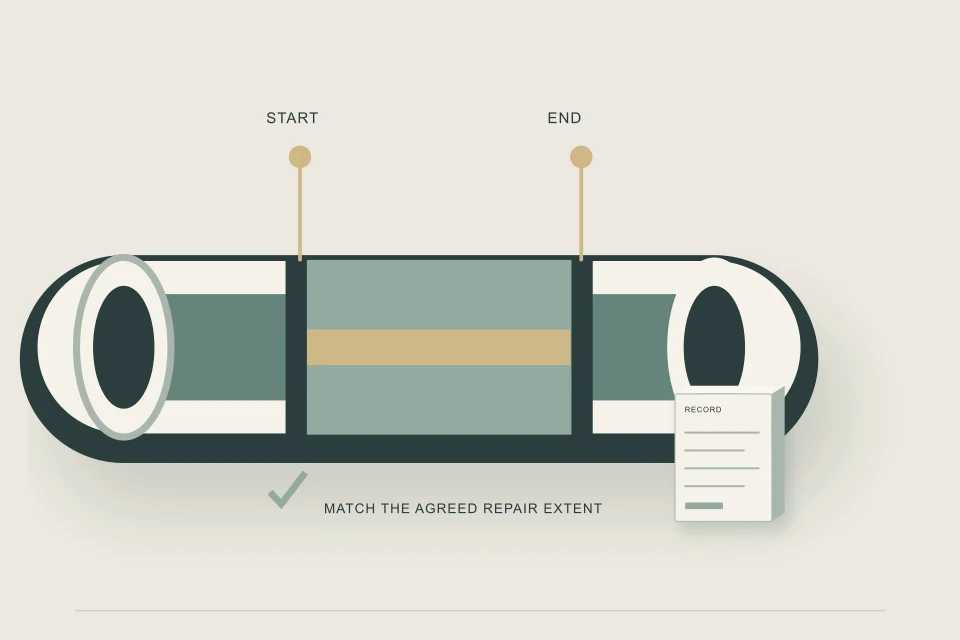
After repair: close the job with a recorded inspection
Specify post-repair camera evidence, the inspected segment, service connections and unresolved limits before approving sewer work.

Repeat blockages: inspect the pattern, then the pipe
Gather blockage history, cleaning records, affected fixtures and recorded camera findings before choosing a lasting repair for recurring sewer problems.
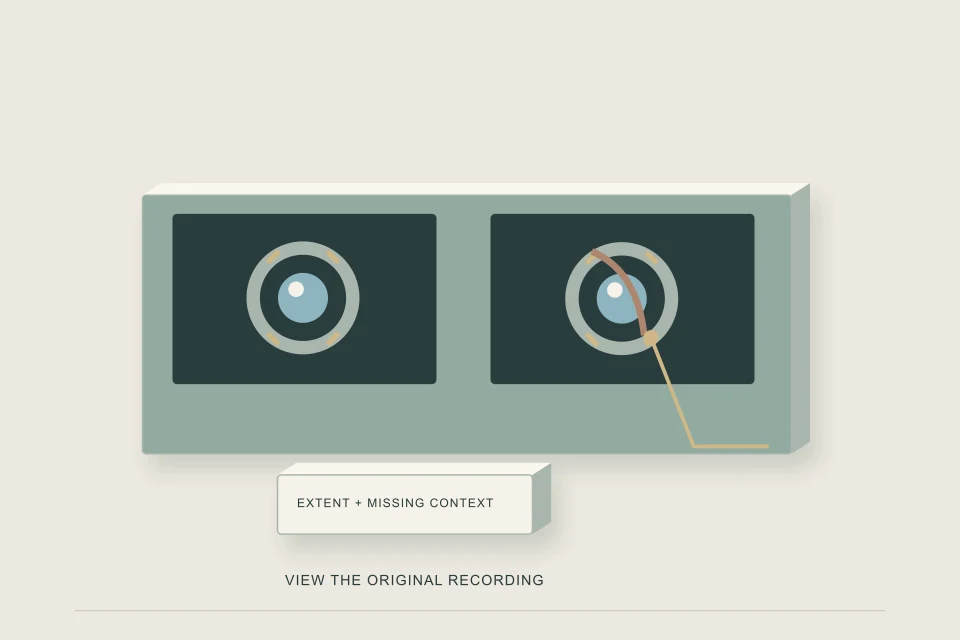
Get a useful second opinion on sewer footage
Prepare the original sewer video, report, relevant distance references and repair scope for an evidence-focused inspection second opinion.
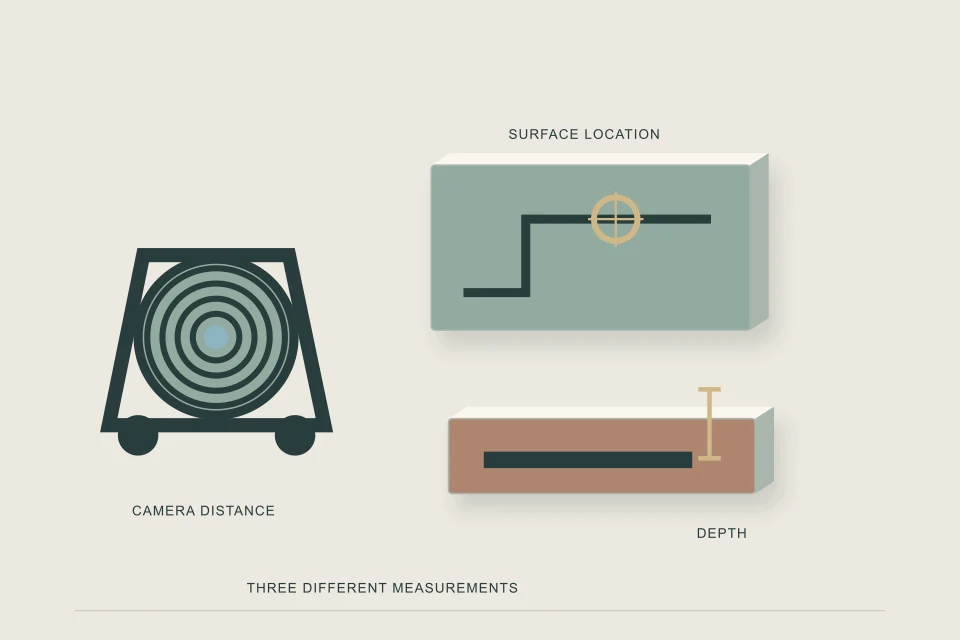
Camera distance, surface location and depth are different
Distinguish sewer footage-counter distance, a recorded video interval, surface locating and depth information before using an inspection to plan repair.
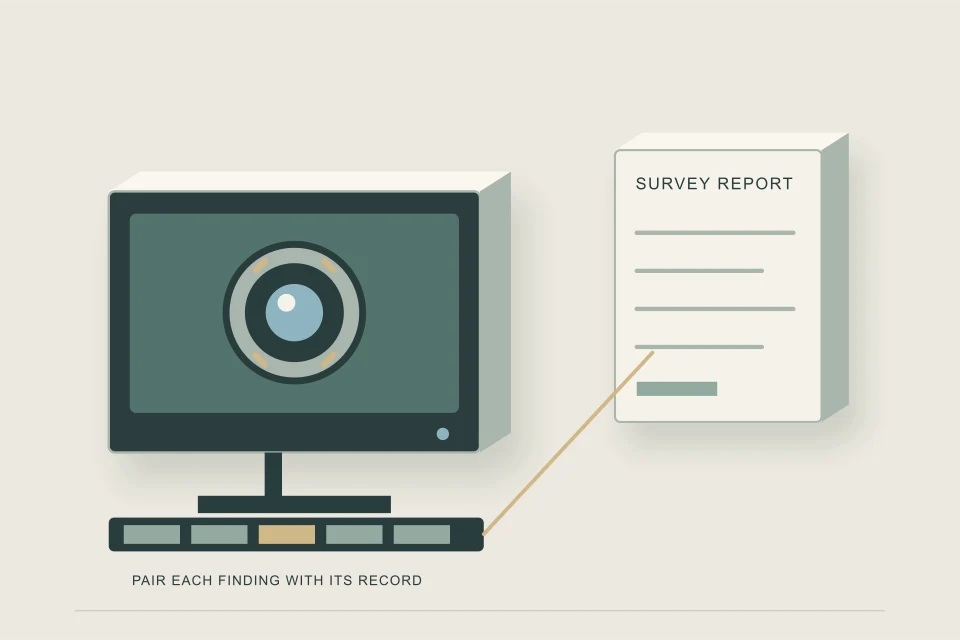
A sewer report you can actually use
Check sewer inspection reports for coverage, distance references, recording access, written findings, limitations and evidence behind repair recommendations.
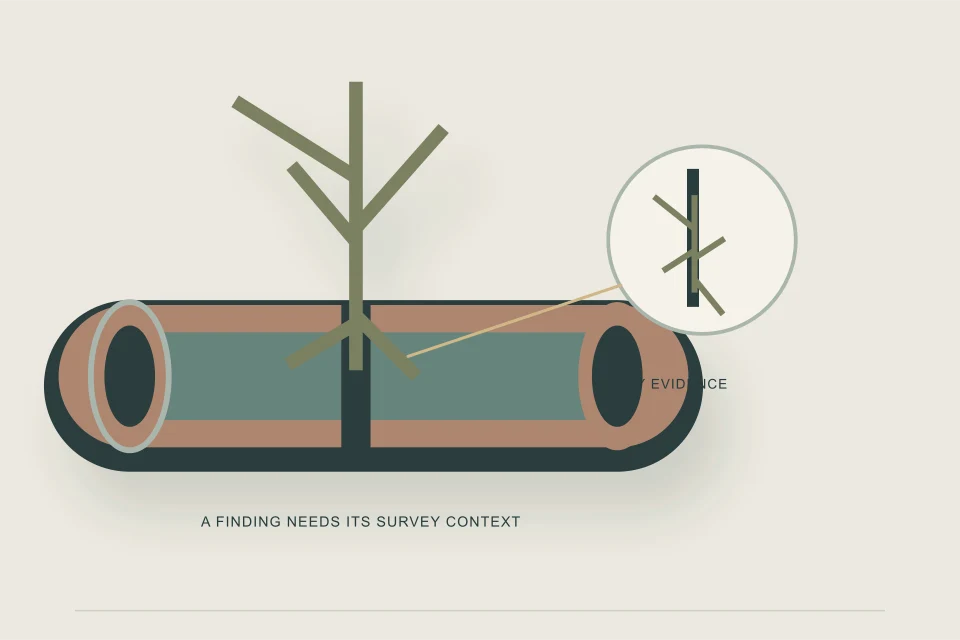
Roots and pipe joints: read the evidence in context
Understand sewer-camera root observations, joint visibility, recorded extent and limitations before interpreting a report or approving a repair recommendation.
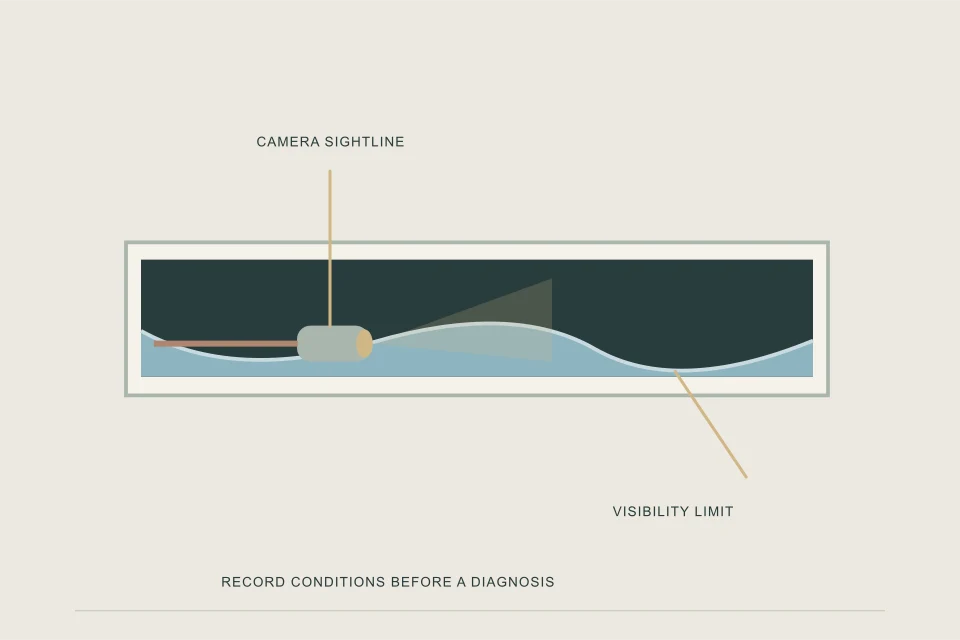
Standing water in sewer footage: understand the limits
Review standing water, obscured pipe walls and suspected sewer bellies using route context, inspection conditions and the evidence behind the next step.
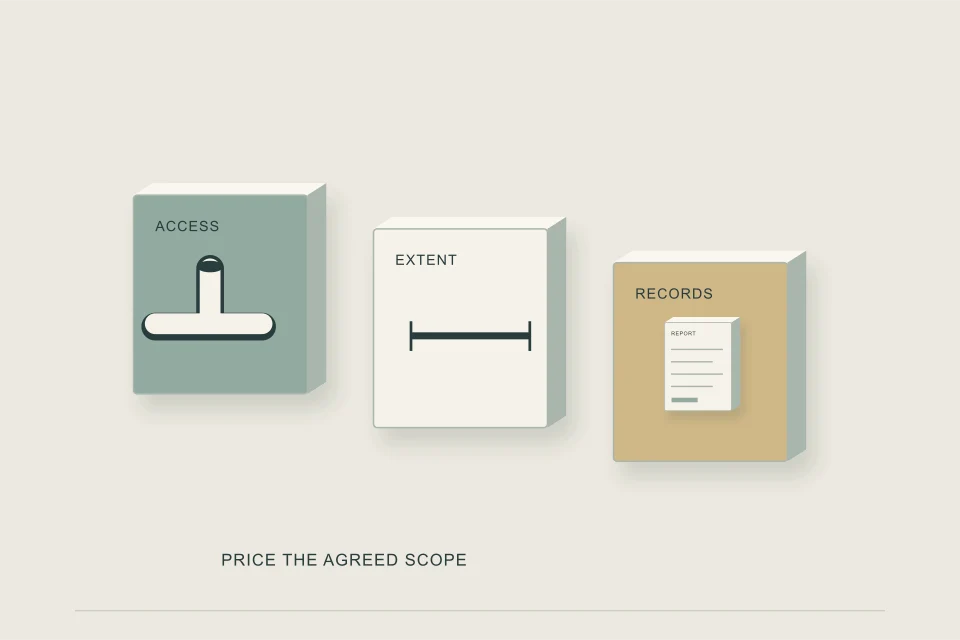
What changes the cost of a sewer inspection
Understand sewer inspection cost drivers including access, cleaning, survey extent, locating, reports, commercial assets and follow-up recordings.
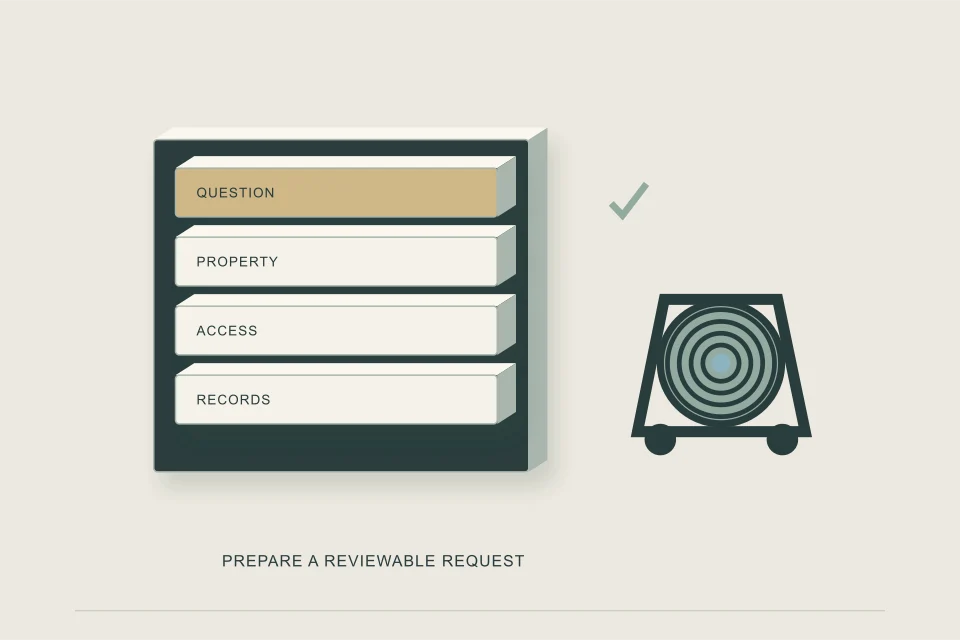
Build your sewer inspection scope
Organize inspection reason, property type, camera access and records into a sewer scope, then carry those answers directly into the quote request.
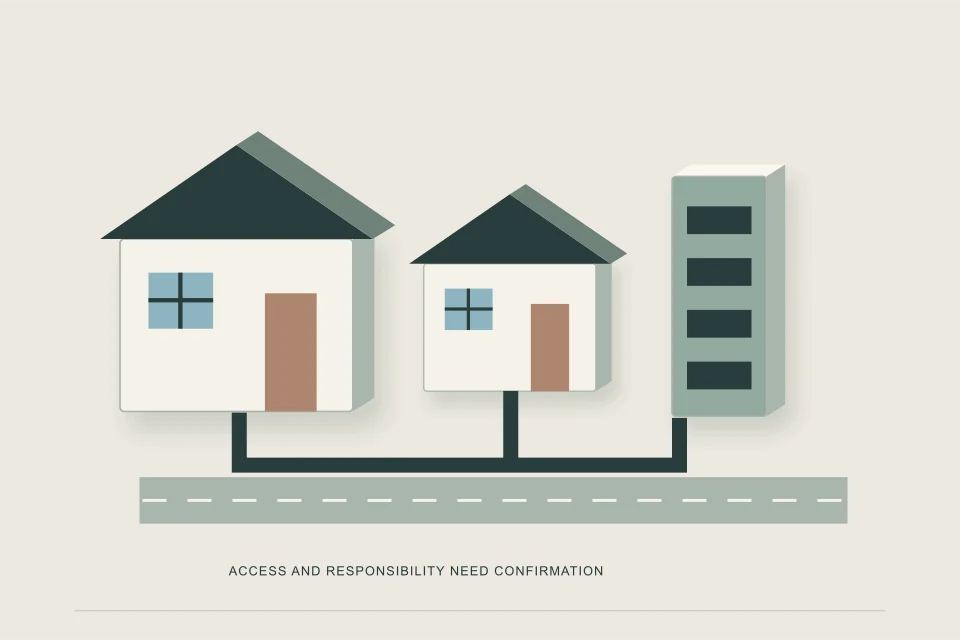
Plan a sewer camera inspection in Calgary
Calgary sewer inspection guidance covering cleanout access, buying a property, repeat backups, recorded findings and the appropriate utility contact.
Frequently asked
Who confirms the inspection appointment?
The provider confirms access, the recording scope, availability and price. HAUSE helps organize the request and does not perform the inspection.
When does the scope outline reach the team?
The outline reaches the team only when you review the separate quote form, provide contact details and submit it with consent. Exploring a scene or changing a tool choice does not send a request.
Are these examples a survey of my property?
No. It illustrates a mechanism or inspection question. A property-specific assessment requires real evidence.
Can an inspector review footage I already have?
Include the original recording, report and the question you want answered. Explain any cleaning, repairs or new symptoms since the recording; a reviewer must decide whether that older evidence is adequate.
Does a sewer camera recording show every hidden condition?
It documents what was visible within the surveyed section under the conditions recorded. Coverage limits, obscured areas and inaccessible sections should remain explicit.
Can I request an inspection for a commercial or shared property?
Yes. Identify the property type and assets involved. A managed-site survey may need different access, equipment and reporting from a house-purchase scope.
Describe the problem once. Get a straight answer.
Send the symptoms and anything you already know — age of the house, what a camera found, what you have been quoted. The HAUSE Sewer desk replies with next steps and, where available, a local contractor for the job.
Sewage backing up right now? Stop using water, keep people away from the water, and do not touch electrical equipment near it.